Hong Kong
ESF Sits on Record HK$3.75 Billion Reserve as Competition for Students Grows
Hong Kong's largest English-medium school group has seen its financial cushion triple in a decade, even as government subsidies wind down and rival schools multiply across the city.

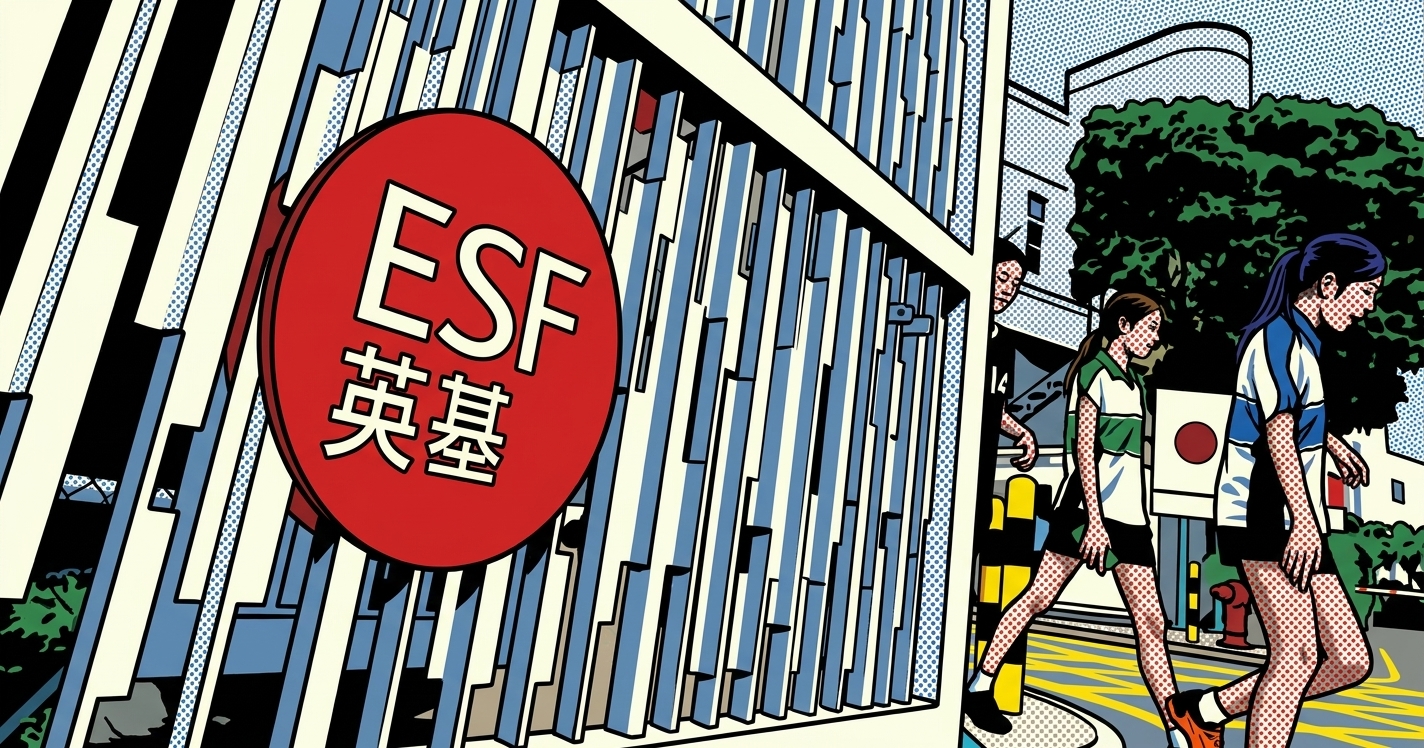
The English Schools Foundation has accumulated a record HK$3.75 billion in net reserves, surpassing the financial holdings of several of the city's universities, according to the South China Morning Post, which reviewed the group's annual reports for the 2024-25 academic year. The figure is more than three times the HK$1.18 billion the foundation held in 2012-13 and has grown every year for over a decade.
The build-up is striking in part because it has coincided with a steady reduction in government support. ESF has historically received a recurrent subvention from the Hong Kong government, worth roughly HK$283 million a year at its peak, but that funding is being phased out over a thirteen-year period. Subsidies for Year 1 through Year 7 pupils have already ended, and the remaining tranches are set to follow, pushing the foundation towards full financial self-sufficiency.
Where the money is coming from
The reserves have been built primarily from operational surpluses, comprising tuition fee income and capital funds raised through nomination rights. Annual tuition at ESF schools currently runs from around HK$93,700 to HK$203,400 depending on year group, positioning the foundation at the more affordable end of Hong Kong's international school market but well above local school fees. An ESF spokesman said the group needed to "accumulate financial reserves that will allow us to renew, refresh and rebuild our schools when they require it."
The foundation operates 22 schools serving more than 18,000 students from 75 nationalities across Hong Kong Island, Kowloon, and the New Territories. All are authorised International Baccalaureate World Schools, having transitioned away from the British GCE A-Level curriculum from 2004 onwards.
A market that is changing around them
The annual report was candid about the pressures ESF now faces. The group acknowledged it expects increased competition for students and said it would modernise its marketing strategies to attract the children of talent-scheme holders and investors settling in Hong Kong. That is a notable shift in tone for a foundation that has historically relied on its scale, affordability, and government backing to anchor its position in the market.
The context matters. Several new international schools have opened or are opening across the city, including a new Sixth Form Centre from Nord Anglia International School in Hung Hom, Kellett School's third campus at Kai Cheung Road, and NLCS Hong Kong, due to open in partnership with the HOEH Group. Each is targeting the same pool of English-speaking families. ESF's financial reserves give it room to invest in facilities and curriculum, but the intensity of that competition is evidently concentrating minds at the foundation's leadership level.