Bangkok
Thailand Widens Crackdown on Unlicensed Schools After Raids Reveal Systemic Gaps
Labour, immigration and education officials are expanding inspections across Bangkok and beyond, after a series of raids exposed illegal operations serving hundreds of foreign children.

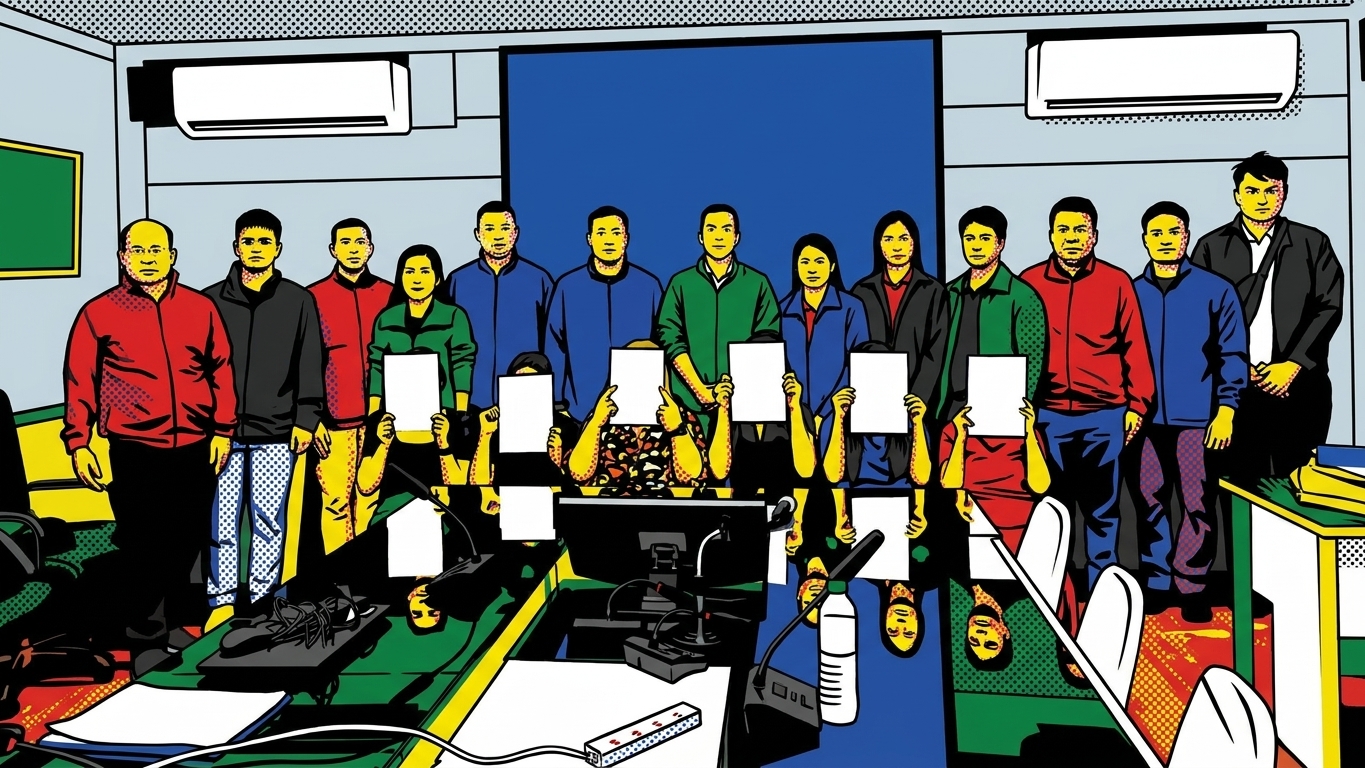
Thai authorities are broadening their enforcement campaign against unlicensed international schools, with the Labour Ministry and Immigration Bureau confirming that inspections will extend to language centres and private schools across Bangkok following a string of raids that began in early May. The crackdown has already led to multiple arrests and the shutdown of at least two schools operating without government approval.
The most recent high-profile raid, carried out on 29 May in Bangkok's Pridi Banomyong area, found a school that had been teaching for more than five years with over 100 foreign students from kindergarten to secondary level, yet held no valid licence. Six foreign teachers from the Philippines and Myanmar were found working without permits and were detained. According to the Chiang Rai Times, authorities "will continue to crack down on illegal schools and workers," adding that the Labour Ministry and Immigration Bureau are now working jointly to inspect more institutions.
A pattern, not an isolated case
A separate raid in early May on the island of Koh Phangan uncovered 89 foreign children enrolled at another unlicensed school, prompting the Office of the Private Education Commission (OPEC) to signal a nationwide review. Immigration police noted that similar illegal international schools had been identified in several different areas of the country, suggesting the problem extends well beyond Bangkok.
Officials have framed the enforcement push in terms of sector reputation. Allowing unlicensed schools to operate, authorities argue, disadvantages legitimate providers who carry the costs of proper licensing, curriculum oversight, and employment compliance, while also leaving enrolled children without the safety, curricular, or building-quality checks that licensed schools must undergo.
What parents should check
Under the Private School Act, any school established without a formal licence from OPEC can expose its owners to criminal penalties including fines and imprisonment. For families, the practical implication is that a polished campus or a professional website offers no guarantee of legal status. The government has encouraged parents to verify a school's official registration and to report suspicious operations directly to the Department of Employment or through the Immigration Bureau portal. With several well-credentialled British-brand schools set to open in Thailand this August, the crackdown is likely to sharpen rather than deter demand for licensed, accredited providers.