Hong Kong
Hong Kong Opens Its Semi-Private Schools to Overseas Pupils for the First Time
Forty-eight government-subsidised schools enrolled their first non-local students in September, advancing Hong Kong's education hub ambitions. At up to HK$350,000 a year all-in, education consultants are questioning whether the numbers work.
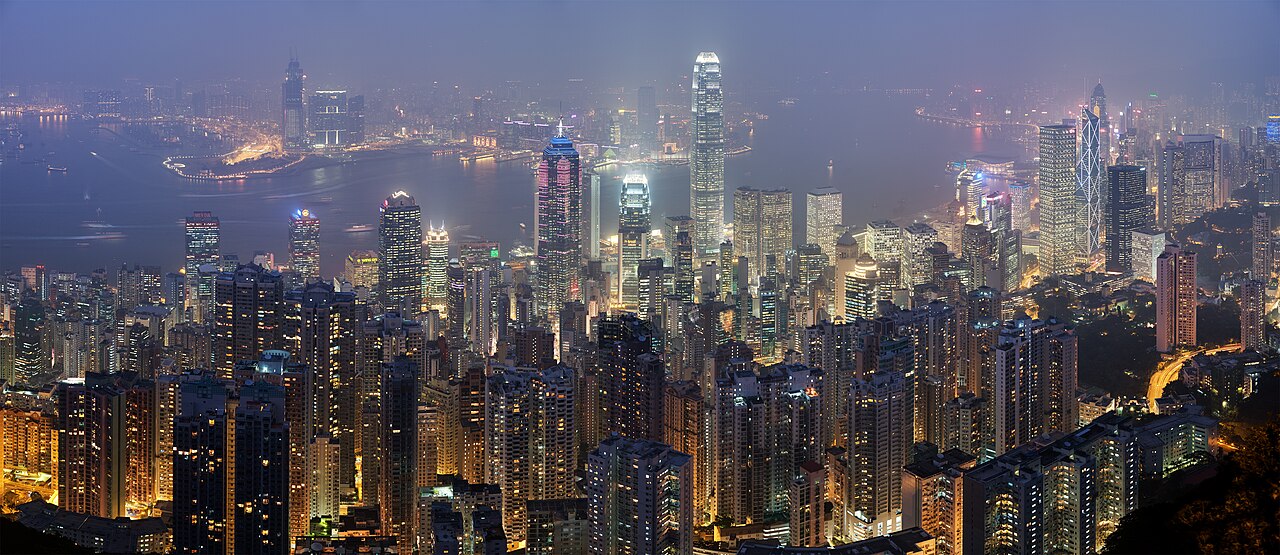
For the first time since the Direct Subsidy Scheme was established in 1991, Hong Kong's semi-private schools are enrolling students on student visas. Forty-eight institutions, including Diocesan Boys' School, Diocesan Girls' School, St Paul's Co-educational College and Ying Wa College, opened their doors to non-local pupils in September on a self-financing basis. The move is one of the centrepieces of Chief Executive John Lee's education agenda, designed to build a 'Study in Hong Kong' brand and draw families from Southeast Asia who might otherwise choose boarding schools in Malaysia or the United Kingdom. According to the South China Morning Post, however, the all-in annual cost for a non-local pupil, once tuition, hostel fees and living expenses are combined, can reach HK$320,000 to HK$350,000.
That figure has drawn pointed responses from the education consultancy world. At least one specialist in school placements for expatriate families described the charges as uncompetitive, noting the total exceeded what a family would pay at a premium British boarding school in Malaysia or Thailand. The government has partly framed the scheme around the appeal of subsequent admission to Hong Kong universities, but non-local students following the local HKDSE curriculum are not widely recognised by institutions elsewhere, which limits that argument for many Southeast Asian families.
What the scheme actually provides
The 48 approved schools span 38 secondary institutions and 10 primary ones. Schools that gained approval can lift secondary class caps from 41 to 45 pupils and primary caps from 33 to 37. From the 2026/27 year, participating schools may also raise the share of students enrolled in non-local curricula to as much as 49 per cent, providing a degree of curriculum flexibility that families arriving from Southeast Asia would expect. The DSS Schools Council has also signed a memorandum with Lingnan University to provide a structured university advancement pathway for incoming overseas students.
The extra places are strictly additive. The government has assured local families that the new non-local intake will not affect their chances of admission to preferred DSS schools, and each institution was cleared to add roughly 20 to 30 places per year group. Malaysia and Indonesia are the government's named priority markets, and schools are expected to begin active recruitment in those regions ahead of the next admissions cycle. For affluent local families in Hong Kong itself, the expansion changes little in the near term: the DSS tier already served that segment, and the new non-local places sit in a separate category.
The more telling measure will come in a year's time. Applications for 2027/28 will reveal whether the scheme attracted genuine interest from Southeast Asian families or whether the total cost proved too high relative to alternatives. In that respect, the DSS expansion is less a finished proposition than an opening bid. The tuition component alone is affordable; it is the accommodation and living costs layered on top that push the all-in figure into uncomfortable comparison with the British heritage brands that have opened across the region in the past three years, often at substantially lower total annual cost.