Singapore Activates Haze Subsidies as PSI Peaks; Malaysia Extends School Closures
Singapore's 24-hour pollution index hit 181 this week, the highest reading of the 2026 haze season, prompting the government to activate medical subsidies. International schools remain open, with outdoor activities curtailed.

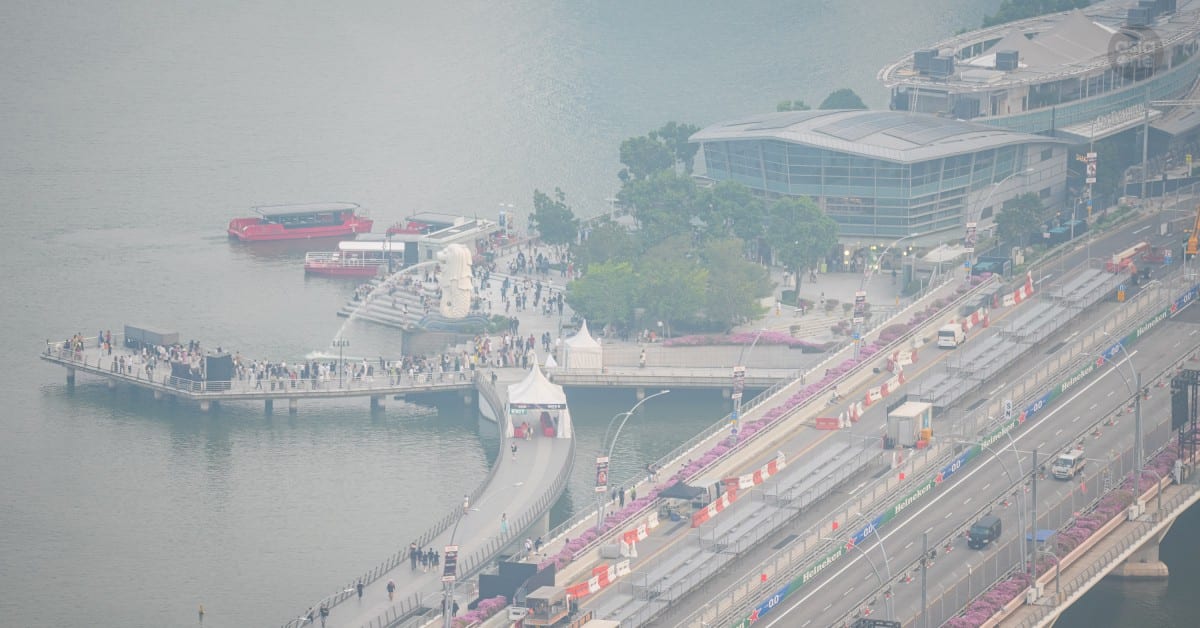
Singapore's 24-hour Pollutant Standards Index reached 181 in central Singapore on 9 October, its highest reading of the 2026 haze season, according to AsiaOne. The reading placed city air quality in the unhealthy band, triggering government measures that stop short of closing schools.
The Ministry of Health activated its Public Health Preparedness Clinic scheme and Haze Subsidy Scheme from 12 October, capping treatment costs for haze-related conditions at S$10 for most Singapore citizens and S$5 for seniors. Covered conditions include asthma, bronchitis, conjunctivitis and upper respiratory tract infections.
Schools on standby, not closed
The Ministry of Education's threshold for school closure is a forecast PSI above 300, the hazardous range, which has not been reached. Schools have been directed to cancel outdoor activities, use air purifiers indoors, and keep younger children inside. For families at international schools, the practical effect has been shorter PE periods and cancelled fixtures rather than any disruption to timetables.
Across the causeway, Malaysia's response has been more disruptive. Schools in Kuala Lumpur and six states closed from 9 October after the Air Pollutant Index crossed 180, affecting an estimated two million students. Kuala Lumpur schools reopened on 13 October after readings fell below 150, but schools in Johor remained closed as of the same date. The haze originates from fires in Sumatra and Kalimantan; Indonesia has deployed more than 60,000 personnel and cloud-seeding aircraft with limited effect so far.
The haze cycle has become a near-annual feature of Singapore's school calendar, but this year's spike has been sharper than recent seasons. International school administrators are watching extended forecasts closely, with the inter-school sports competition season, which peaks in October and November, particularly vulnerable to a further deterioration in air quality.