IB Launches Flourishing Futures Framework to Shape Its Schools Over the Next Decade
The International Baccalaureate has published a new strategic direction that sets a goal of five million students annually and places sustainability and systems thinking at the centre of what IB education should mean.

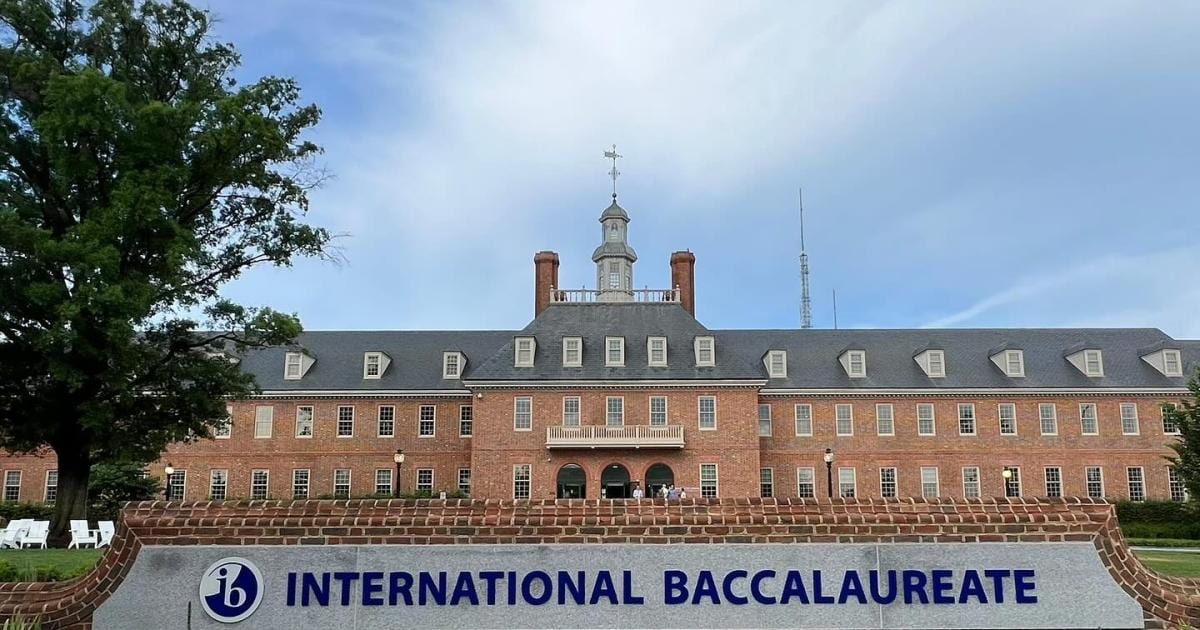
The International Baccalaureate launched a new strategic framework, "Flourishing Futures: Education for Human and Planetary Flourishing," on 19 November, setting out the direction it intends to take IB education for the coming decade, according to the IB.
The framework is built around three goals: enriching the education of five million young people annually, drawing students from communities that more broadly represent the world's population, and equipping learners to navigate interconnected systems. Critical judgment and what the IB describes as "agency to contribute to a sustainable future" run as themes throughout. Implementation meetings will run through 2027 at the IB Global Centre in The Hague, where school coordinators, national committees and programme representatives will translate the strategic language into practical guidance for authorised schools.
What changes for schools
Flourishing Futures is not an immediate curriculum overhaul. For IB World Schools it is a signal about the direction of future programme reviews, school authorisation criteria and the professional development the IB will emphasise in coming years. Schools currently in the pipeline for IB authorisation may find the framework shapes the evidence they are expected to provide.
The five-million enrolment target is ambitious. The IB currently authorises around 9,000 schools globally, and while total students in IB programmes already runs well above the diploma-year figure alone, reaching five million annually from "more globally representative communities" implies a sustained push into state-school and lower-fee markets in Africa, Southeast Asia and Latin America.
What it means for Asia
Asia hosts more IB World Schools than any other region. For well-established programmes at British and international schools in Singapore, Hong Kong, Bangkok and other hubs, Flourishing Futures largely reinforces priorities many schools already foreground: community service, global perspectives and interdisciplinary approaches. The more significant implication may be for schools navigating IB authorisation for the first time, where the framework's emphasis on sustainability and systems thinking could shape the evidence schools are expected to demonstrate.
The IB's simultaneous push toward broader community representation also signals continued pressure on the premium-fee model that characterises most IB schools in Asia. Whether that pressure translates into structural change or remains rhetorical is a question the 2027 implementation meetings should start to answer.