Singapore PSLE Results Released, Six-Day Window Opens for Secondary School Choices
The 2026 cohort of nearly 41,000 candidates has its results, and families have until 30 November to submit secondary school preferences. International schools typically see a demand spike in the days immediately after PSLE.

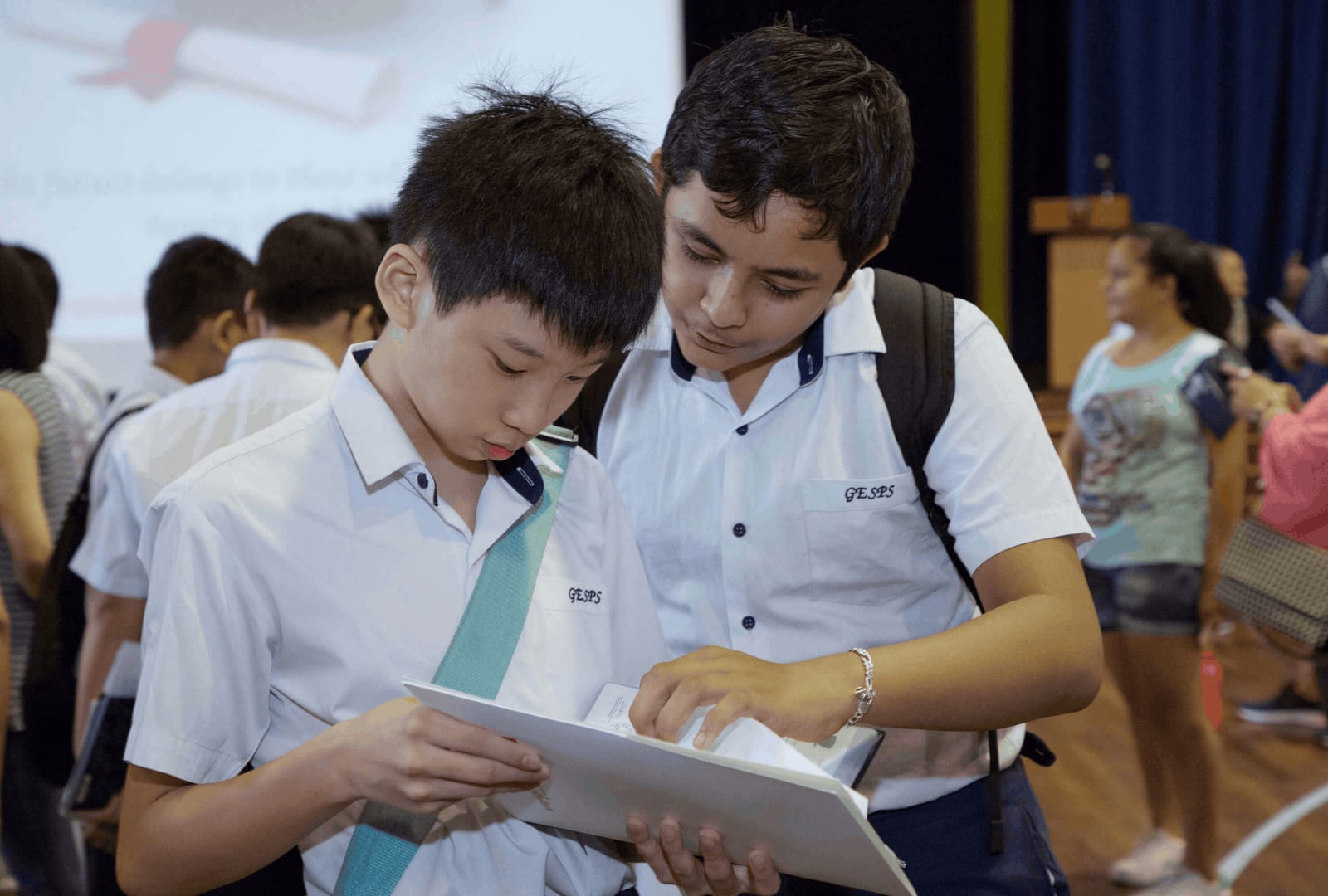
Singapore released its 2026 Primary School Leaving Examination results on Tuesday 24 November at 11am, triggering the annual Secondary 1 posting exercise in which families must submit up to six secondary school preferences by 4.30pm on 30 November. According to the Singapore Examinations and Assessment Board, 98.5 per cent of the 40,906 Primary 6 candidates achieved results qualifying them for a secondary school placement. Posting results confirming each pupil's allocation are scheduled for 18 December.
Students are encouraged to include two to three schools with cut-off points less stringent than their own score among their six choices, and to consider school culture, subject offerings and co-curricular programmes alongside academic fit.
The international school window
Results day also marks the opening of a predictable demand spike at international schools offering IGCSE or IB pathways. Families whose children narrowly miss the cut-off for a preferred government secondary, or who rank outside the allocation for schools running selective Integrated Programme tracks, routinely investigate the international sector as the primary alternative. Schools that can receive new students for a January start are particularly well placed to capture this cohort.
Dulwich College Singapore, ACS (International), OWIS, Nexus International School and Hwa Chong International are among the schools with advisory content targeting families making this decision in the days after results are released. All offer IGCSE or IB Diploma rather than the O-Level, meaning students who transfer follow a different qualification path through to university applications.
Who this affects
The movement from the national system to international schools at Secondary 1 is driven almost entirely by affluent local Singaporean families rather than expatriates, who typically enrol directly into international schools at primary level. The scale of the cohort, nearly 41,000 students, means even a small proportion exploring the international track generates a materially higher volume of inquiries for the schools involved.
The timeline is tight. Families have fewer than seven days from results release to submit choices, and schools that offer rolling admissions typically see a concentration of new inquiries in the first 72 hours after results day.