Japan's Schools Log Record Bullying and Absenteeism for the Fifth Year Running
Annual ministry data logged 791,784 bullying incidents and 359,424 long-term absentees, both records. Officials tracked AI-generated deepfakes as a new category of sexual harassment for the first time.
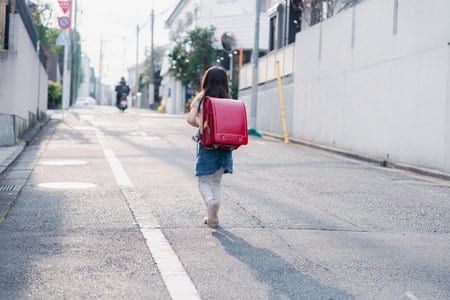
Japanese schools recorded 791,784 bullying cases in fiscal 2025, a fifth straight annual record and a 3 percent increase from the previous year, according to Jiji Press, which reported the education ministry's annual survey on Wednesday. Officials tracked AI-generated sexual deepfakes as a distinct harassment category for the first time, logging 8,158 sexual misconduct cases in the new classification.
School absenteeism held at a separate record. Some 359,424 elementary and junior high school students refused to attend school for 30 or more days during the fiscal year, a rise for the 13th consecutive year. At junior high level the figure represents 6.9 percent of all pupils.
AI deepfakes enter the data
The classification of sexual misconduct, including deepfake imagery, as a distinct bullying category reflects a shift in how Japan's education authorities are treating the technology. Of the 8,158 cases, a portion involved AI-generated images produced without the victim's knowledge and distributed among classmates. The ministry said it would develop guidance for schools on digital literacy and incident response.
Serious bullying cases, defined as those causing lasting physical or mental harm or extended absences, rose to a record 1,798, up 394 from the prior year. Officials flagged that in 34.9 percent of those cases, the behaviour was not identified as bullying until after significant harm had been done.
Why this matters beyond Japan's national schools
Japan's public school data is structurally separate from the international school sector. But it matters for the region in two ways. Persistent and worsening conditions in Japan's national schools continue to be a significant driver of international school demand among both expatriate and affluent local families in Tokyo, Yokohama, and Osaka. School leaders at British-curriculum schools in those cities say that word-of-mouth about bullying culture in the national system is one of the most common factors in inquiries from local families.
The AI deepfake angle is not Japan-specific. British-curriculum schools in Hong Kong and Singapore have already updated acceptable-use and safeguarding policies to address AI-generated imagery. Japan's data, being unusually comprehensive and now publicly tracked, is likely to push safeguarding leads across the region to audit their own frameworks and consider whether a formal classification system like Japan's would sharpen their own incident response.