Hong Kong
Hong Kong Approves Fee Rises for 185 Private and International Schools
The Education Bureau has given the green light to tuition increases averaging 4 percent at international schools and up to 4.75 percent at private institutions for the 2026-27 year.
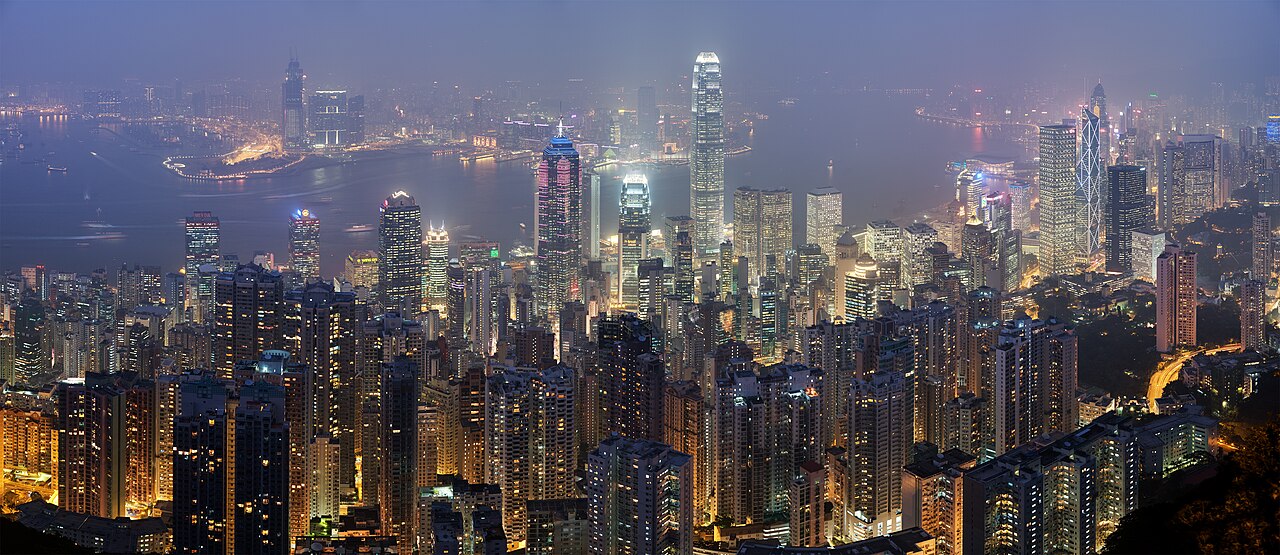
Hong Kong's private, semi-private and international schools have been cleared to raise tuition fees for the current academic year, with the Education Bureau approving applications from 185 schools covering the Direct Subsidy Scheme, private and international sectors. According to the South China Morning Post, the average approved increase for international schools was 4 percent, for private schools 4.75 percent, and for DSS institutions 4.07 percent.
Among the named international schools, Harrow International School Hong Kong raised its primary and secondary fees by 3.8 percent, Kellett School by about 4.5 percent, ISF Academy by 4.5 percent for both sections, and Yew Chung International School by up to 5 percent for primary. Hong Kong Jewish International School came close to 5 percent, while AOG St Hilary's College primary section posted the steepest rise among those listed, at 5.8 percent.
A regulated market, within limits
Hong Kong remains one of the few markets in Asia where international and private school fee increases require formal government approval. Schools must submit adjustment applications to the bureau, which weighs them against wage growth benchmarks and subsidy levels. This cycle's approvals came in at or below the mid-single-digit ceiling the bureau has consistently signalled in recent years.
The majority of increases apply to the 2026-27 academic year, meaning most families will already have received revised fee schedules. One international school application was still being processed at the time the approvals were published.
Fees and the two-tier demand picture
Hong Kong's international school market serves both corporate expatriate packages and a growing segment of affluent local families who seek English-medium, internationally benchmarked education within the city. The upper band, anchored by schools like Harrow and ISF Academy, tends to attract families whose fees are underwritten by employer packages, giving those institutions somewhat more room to absorb moderate annual rises. The lower tier of the international sector, where local demand is more price-sensitive, is where the bureau's process most directly constrains decisions. An increase of 4 to 5 percent across the board represents continuity rather than disruption.