British Schools Move Beyond Tokyo, Betting on Japan's Regions as an Asia Hub
A new wave of British school openings is spreading into Japan's countryside, with Harrow, Malvern and Rugby School now all operating campuses. Operators are using the country as a platform to draw families from across the region.

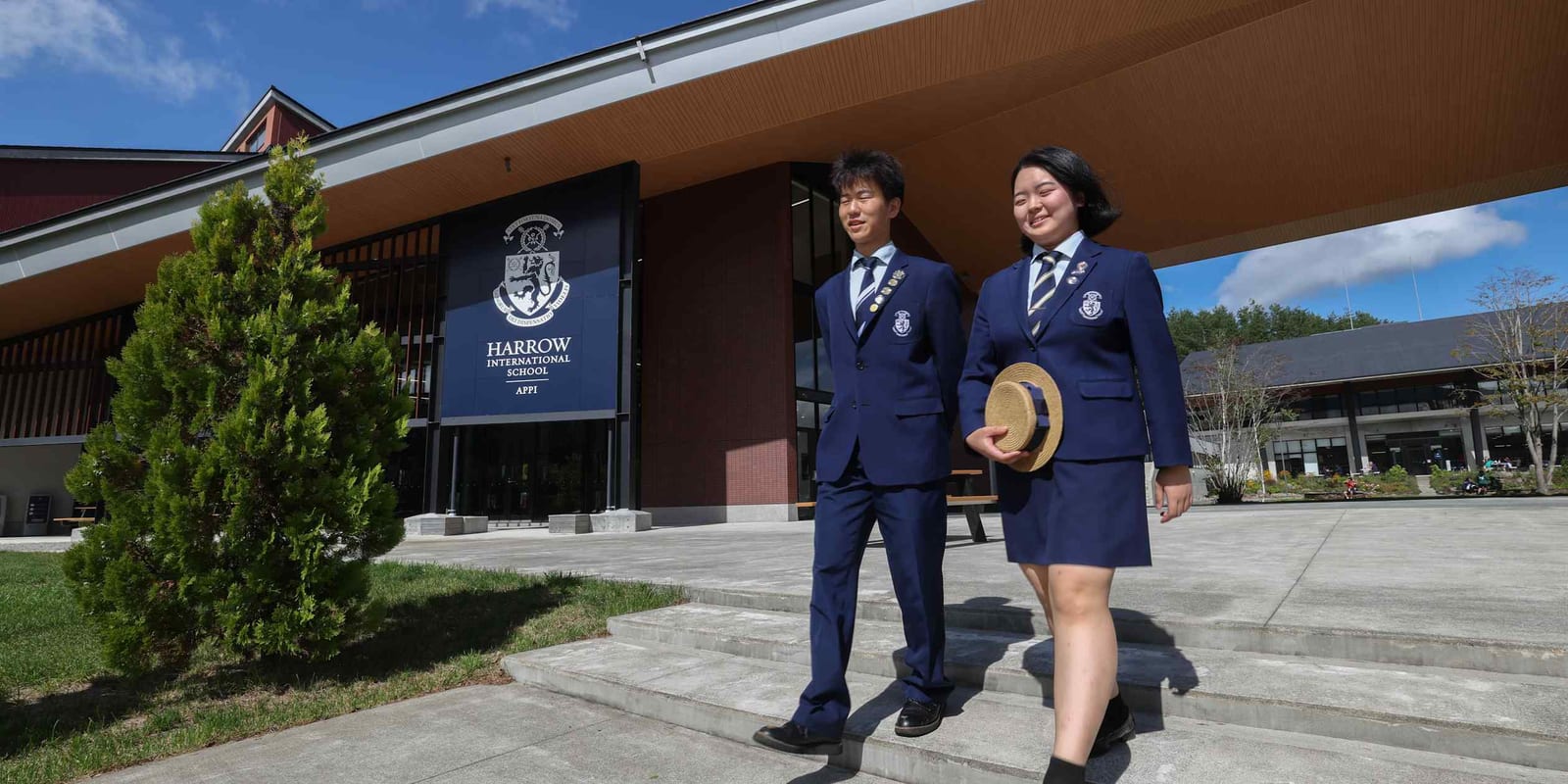
Prestigious British schools are moving beyond Tokyo into Japan's regional markets, in what Nikkei Asia describes as the most ambitious expansion of British education in Japan since 2018. The latest additions, including Harrow, Malvern College and Rugby School, have together added an estimated 3,000 student places to a network that until recently was dominated by a single school in central Tokyo.
Harrow International School opened at Appi, in Iwate prefecture, in August 2022, bringing full boarding to a mountainous setting hundreds of kilometres north of the capital. Its model, offering IGCSEs and A Levels against a backdrop of ski slopes and wilderness, is designed to draw boarders from across Asia rather than commuters from Tokyo. Rugby School Japan is based in Chiba prefecture, and Malvern College Tokyo aims to be the first all-through British-branded IB school in the capital.
Japan as a regional platform
Operators are pitching Japan on attributes that have grown harder to sell elsewhere in Asia. Safety, political stability, a relatively transparent regulatory environment and living costs that remain below Singapore's or Hong Kong's all feature in school marketing material. Several prefectures have been actively recruiting international schools, seeing them as sources of economic activity and demographic renewal as local school rolls shrink.
Harrow Appi's first graduating cohort illustrates the regional draw. The Class of 2026 comprised 34 students from 12 nationalities who earned 146 university offers from 81 institutions across nine countries, with South Korean, Taiwanese and mainland Chinese families among those who chose a Japanese campus over alternatives in Southeast Asia.
Whether the wave sustains itself depends on whether these schools can build the secondary enrolment that follows a strong sixth-form track record. In Asia's most established British-curriculum markets, A-level and IB results drive applications two or three years downstream. Japan's operators are only now accumulating the data that matters.