International School Bangkok Names a Harvard-Trained Academic as Its New Head
Dr. Daisy Pellant took the helm at Thailand's oldest international school in August, bringing a researcher's instinct for school culture and three decades of leadership experience to a campus marking its 75th year.

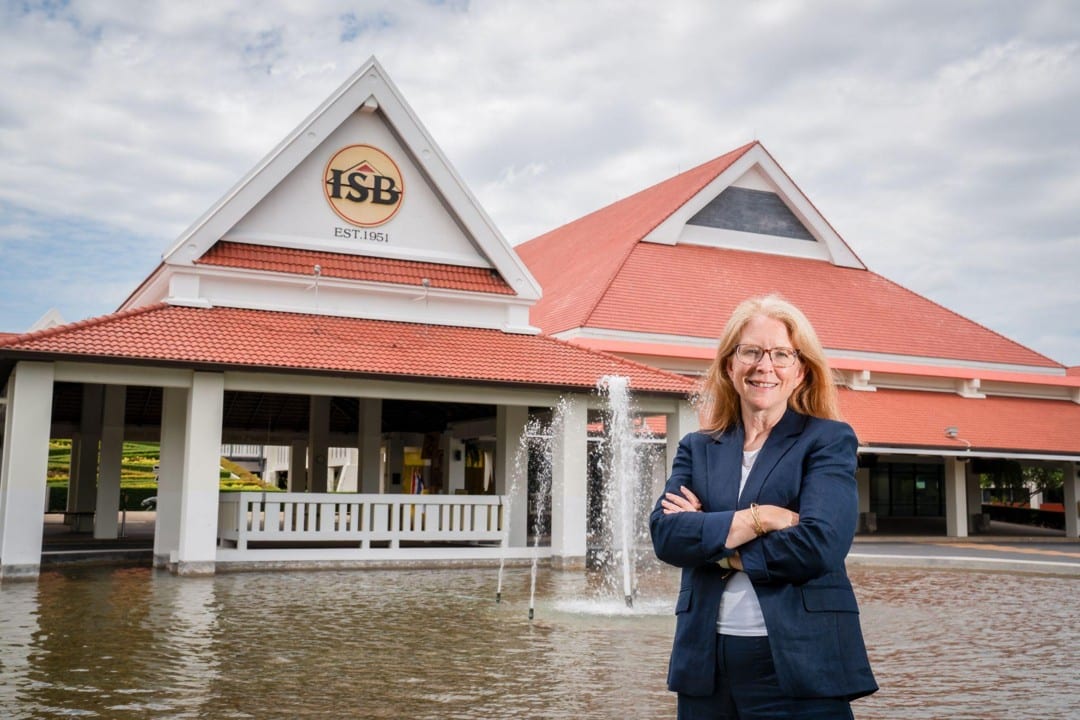
Dr. Daisy Pellant is two months into her tenure as Head of School at International School Bangkok, and she is still in the mode she considers essential for any incoming leader: watching. According to Scandasia, the new head has spent her opening weeks observing how students engage with one another and how teachers relate to their wider community, treating the first term as a period of active learning rather than early reform.
Pellant brings unusually strong academic credentials to the post. She holds a doctorate in Developmental Educational Psychology, an Education Doctorate in Leadership and Learning from Vanderbilt University, and a master's degree from Harvard's Mind, Brain, and Education programme. She spent more than six years leading The Kehillah School before accepting the ISB appointment, describing it as a community central to her professional development. She took up the role on August 1, succeeding Dr. Sascha Heckmann, who had led the school since 2023.
ISB, founded in 1951, is Bangkok's longest-established international school and runs a K-12 American-model programme that places the IB Diploma alongside US-style coursework. The school drew students from more than 60 nationalities during Pellant's first term, a mix that includes diplomatic, corporate and affluent local families. Its 75th anniversary fell earlier this year, a milestone the school marked with a fundraising concert in June that raised more than two million baht for youth education access programmes.
A philosophy rooted in human development
Pellant has described her approach to leadership as fundamentally about human development, extending well beyond academic performance. She is particularly drawn to the moment when students begin to understand themselves as learners rather than simply as pupils chasing results. "To understand a school," she said, "I look for how students are interacting with each other, and I look for ways in which the adults in the community are interacting with each other and students." She views that texture of everyday interaction as a more reliable early signal of a school's condition than any data point.
Her arrival places ISB at a distinctive moment. Bangkok's international school market has grown considerably more competitive in recent terms, with a wave of established British independent school brands opening founding campuses across the city this autumn. ISB's American-model curriculum keeps it in a different segment of the market, but the question of how a 75-year-old institution positions itself against newer, heavily marketed arrivals is one that Pellant will inevitably need to address. She has been careful to frame her first months as understanding rather than action, and has signalled that any changes she introduces will be grounded in what she has observed, not imposed upon it.