South Korea Draws a Line on AI in School Performance Assessments
Students may use generative AI to gather information for school-based assessments but analysis and writing remain their own work. The Ministry will publish a three-tier student guide alongside a separate teachers' edition.
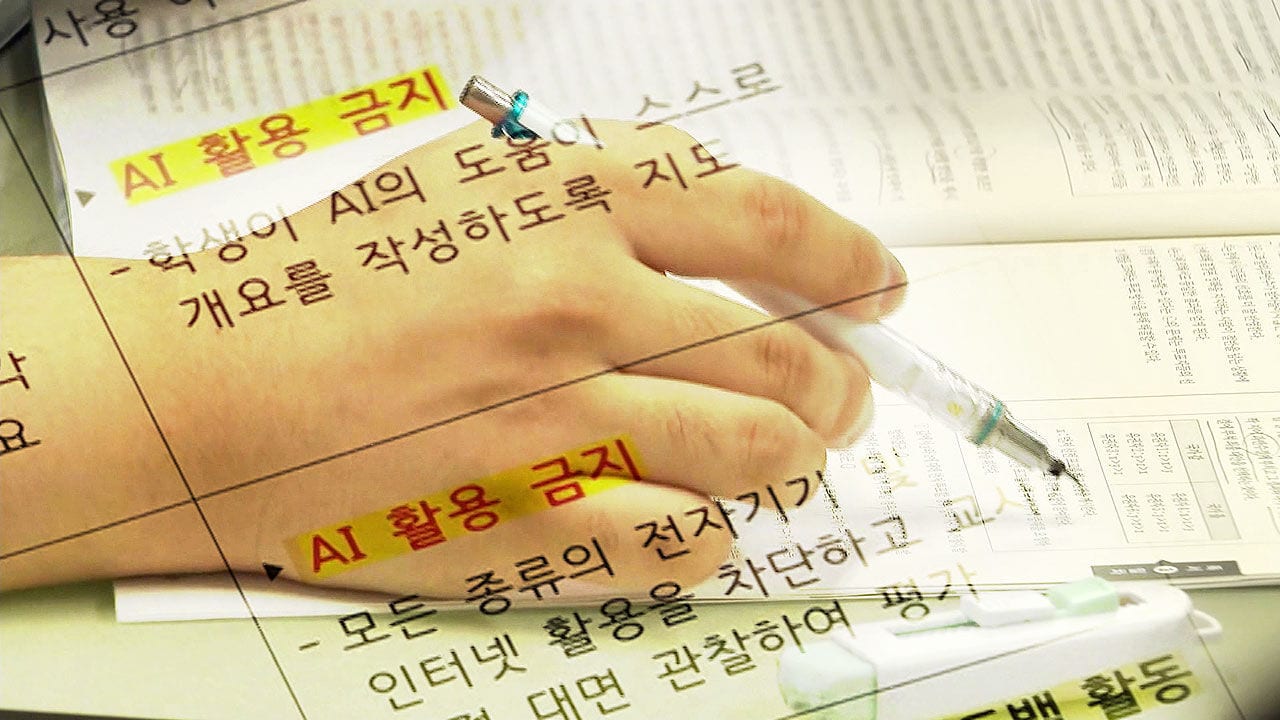
South Korea's Ministry of Education has drawn a formal line around AI use in school-based performance assessments: students may use generative AI tools to gather information and data, but analysis and the writing of presentations or reports must remain their own work. According to the Seoul Economic Daily, the ministry announced the policy on 26 November alongside plans to publish a three-tier AI use guide covering elementary, middle and high school students, with a separate edition for teachers.
Why performance assessments matter
School-based performance assessments are not marginal in South Korea. They typically count for 30 to 40 percent of a student's internal grade and feed into the school record used for university applications. The AI policy in this context carries real weight, affecting both domestic students' academic standing and the grade records of international school pupils who sit Korean academic accreditations alongside IB or A-Level qualifications.
The policy follows a high-profile incident at a Seoul high school that was forced to retake a performance assessment after a large group of students submitted answers suspected to have been AI-generated. The ministry's new framework attempts to draw a usable distinction: AI as a research and information-gathering tool is acceptable; AI as an analytical or compositional substitute is not.
Disclosure and verification
Under the same guidelines, students must disclose any use of AI tools in their work and personally verify the accuracy of any AI-generated content they draw on. Schools are expected to design assessment tasks in ways that make undisclosed AI use identifiable, an instruction that shifts significant responsibility onto individual teachers and department heads.
The ministry said it would not add restrictions beyond those set out in the new framework but would instead clarify boundaries and expectations through the forthcoming guide. Regional education offices will distribute the guide to schools; a release date had not been confirmed at the time of publication.
Implications for international schools
International schools in South Korea that hold Korean academic accreditation alongside an international curriculum will need to apply the new AI policy to their Korean-track assessments while managing potentially different rules for their IB or Cambridge components. Schools offering dual qualifications face the practical challenge of explaining two different AI-use standards to the same cohort of students.
South Korea's AI-in-education debate has moved unusually fast since the Suneung incidents earlier this month, compressing a policy timeline that might otherwise have taken a full academic year to resolve. For international schools in Seoul's main school districts, existing performance assessments under way in the fourth quarter need to be reviewed against the new framework before year-end grading closes.