Philippines Private Schools Warn of Unavoidable Tuition Rises as Enrolment Slides
COCOPEA says small private schools have already lost up to 10 per cent of their pupils, and fee increases for 2027-28 are now inevitable as inflation makes the previous year's restraint unsustainable.

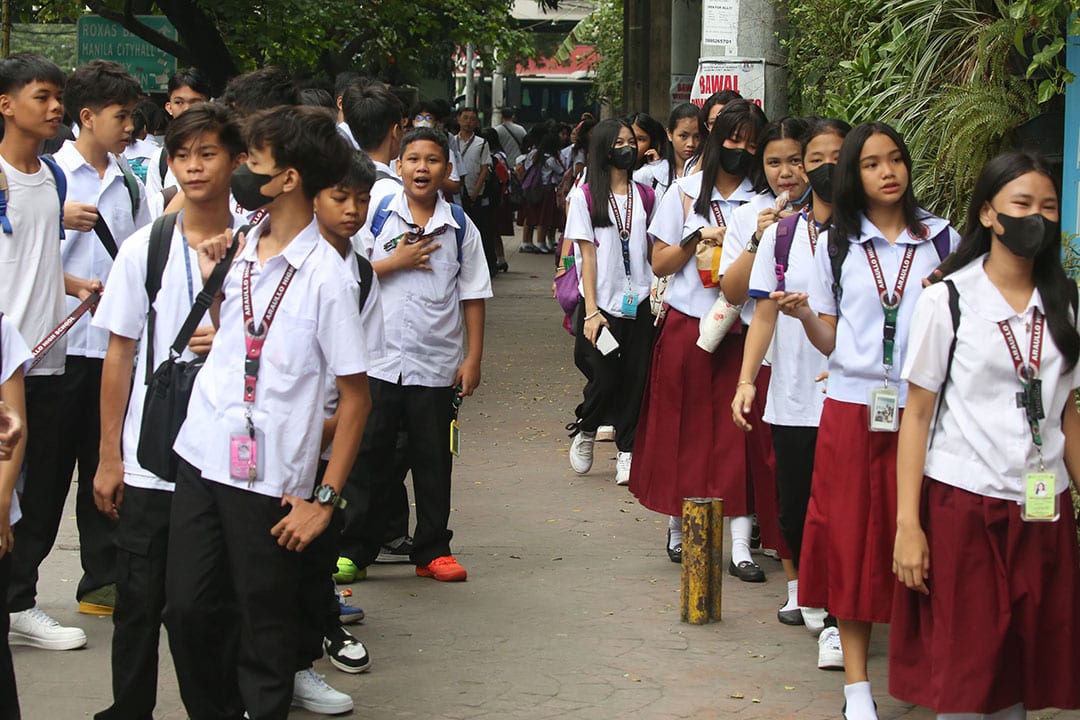
The Philippines' main private school associations have signalled that tuition increases for the 2027-28 school year are unavoidable, with COCOPEA chairman Irineo Alvaro Jr. telling the Philippine Star that rising inflation, surging electricity costs and the frequency of natural disruptions have made the fee restraint of recent years impossible to sustain. The Commission on Higher Education had asked schools to hold fees flat for SY 2026-27; some complied, others did not.
The Catholic Educational Association of the Philippines (CEAP) echoed the warning, arguing that institutions need the freedom to set their own rates rather than operating under blanket CHED guidelines that it said were designed for a lower-inflation environment.
Enrolment already falling
The tuition pressure arrives at a moment when many smaller private schools are losing pupils. BusinessWorld Online reported that COCOPEA puts the year-on-year enrolment decline at 6 to 10 per cent for small institutions, driven by competition from free public schools, rising household cost pressures and the increased salary gap between teachers in public and private employment. The trend is sharpest in provincial cities, where the perceived quality gap between sectors is narrower than in Metro Manila and Cebu.
The two pressures are compounding each other. Schools facing higher costs cannot easily absorb them through fees when their enrolment base is already shrinking, and the families most price-sensitive are precisely the ones shifting to the public sector.
Partial relief from vouchers
Both associations cited the recently enacted Basic Education Voucher Assistance Act as a partial offset. The act extends government vouchers to qualifying students in private basic education, in theory enabling families to stay in the private sector who might otherwise shift to public schools. How much of the gap the vouchers close in practice depends on the rates set when implementing regulations are issued.
For international schools at the premium end of the Manila and Cebu markets, the picture is mixed. A weakening of private school enrolment signals real fee sensitivity among affluent local families, who form the main demand base for international school places in the Philippines. Schools that can demonstrate a clear gap in learning outcomes or pathways to international university entry are better placed to hold that segment than those competing primarily on facilities.